Lab-grown chocolate: what it is and why I’m not dismissing It

A viral panic has taken hold across social media: lab-grown chocolate has arrived; it is artificial, and it is quietly infiltrating our food supply. But the underlying biology is real cacao tissue processed in a new way. What is thoroughly manufactured is the outrage.
In supermarket aisles and across the internet, content creators hold commercial candy bars up to smartphone cameras and warn millions of viewers that multinational confectionery brands are secretly feeding them fake chocolate. It makes for compelling outrage and effortless engagement, but it clashes with a basic factual reality: as of the date of publication, no cell-cultured cacao product is in ordinary retail distribution anywhere in the world. The corporate announcements behind these viral warnings describe early-stage venture investments, joint development agreements, and pilot trials for ingredients that remain years away from commodity-scale commercialization.

Much of this hysteria stems from conflating fundamentally different developments under the vague umbrella of "lab-grown." California Cultured, a Northern California startup, cultivates plant cells in bioreactors to yield cocoa powder. Meanwhile, Mars-backed academic researchers at the Innovative Genomics Institute are exploring CRISPR gene editing to protect living cacao trees in West Africa from lethal viral epidemics. Collapsing these two distinct approaches into a single dystopian narrative produces viral engagement, but it obscures both the science and the stakes.
I do not dismiss cell-cultured cacao. My interest, however, has little to do with whether bioreactors can replicate chocolate or its taste. It has everything to do with the economics of an entrenched commodity system, the fragile ecology of West African agriculture, and the millions of smallholder farmers whom everyone in this debate claims to champion—yet whose precarious livelihoods the current market model consistently exploits.
Cell-Cultured Cacao: What “Lab-Grown Chocolate” Actually Refers To
At its core, plant cell culture begins with genuine botanical tissue. In California Cultured's process, the starting material came from an unfermented Forastero bean grown at a U.S. Department of Agriculture research station, selected specifically for its high concentration of flavanols—the antioxidant polyphenols abundant in raw cacao.
By placing a small piece of this tissue on a nutrient agar medium, researchers induce callus formation: a mass of undifferentiated, actively dividing plant cells, like the tissue a plant generates to heal a physical wound. From this callus, the team isolated and stabilized a cell line capable of suspended growth in liquid nutrient broth while retaining the metabolic pathways that synthesize cacao polyphenols.
Once a cell line is stabilized, it no longer requires continuous harvesting of new pods from living orchards. Master cell banks are preserved, and production batches are inoculated from these established cultures. In a bioreactor, suspended in an aqueous solution of simple sugars, mineral salts, amino acids, and vitamins, the cells multiply under strictly controlled temperature, pH, and dissolved oxygen levels. When the cultivation cycle concludes, the accumulated cellular biomass is harvested, washed, dried, and milled. The vessel does not produce pods, beans, or finished chocolate; it yields cacao-cell biomass that can be processed into cocoa powder.

Crucially, the process propagates cells derived from existing plant tissue. Cacao agriculture has relied on vegetative propagation for more than a century through grafting and rooted cuttings—celebrated varieties like Imperial College Selection 1 (ICS 1) in Trinidad are clonal selections. California Cultured describes its cell line as non-GMO, emphasizing that its method alters the growth environment rather than introducing foreign genetic sequences.
The process begins with real cacao tissue. Whether the cells remain stable over time and whether the finished powder is safe for its proposed uses are separate questions. The starting material, however, is Theobroma cacao.
This structural shift is nonetheless profound. In conventional agriculture, every additional metric ton of cocoa requires more arable land, more water, more seasonal labor, and ongoing exposure to erratic weather. In plant cell culture, expanding output relies on larger vessels and additional cultivation cycles from an established cell line.
As Steven Lang, California Cultured's Vice President of Science and Technology, framed the theoretical horizon:
In theory, we only need a few milligrams of callus cells to produce an infinite amount of cocoa powder.
The process still demands energy, nutrients, and sophisticated bioprocessing. But it breaks the old production equation: increasing the cocoa supply no longer necessarily requires more tropical acreage, favorable weather, another harvest cycle, or additional farm labor.
What does this process actually yield today? California Cultured is manufacturing dry cocoa powder. Finished chocolate—whether specialty or mass-market—is traditionally made from cocoa liquor (or cocoa mass), produced by grinding roasted, fermented nibs into a smooth paste that retains most of the bean's natural cocoa butter (roughly 50–55% fat). Cocoa powder, by contrast, is the dry solid residue left after mechanically pressing out most of the cocoa butter. While homemade recipes frequently combine cocoa powder with vegetable fat like coconut oil and sweeteners like honey, "standard" chocolate formulation requires cocoa liquor and additional deodorized cocoa butter. California Cultured's cell-cultured cocoa butter remains in the laboratory research stage.
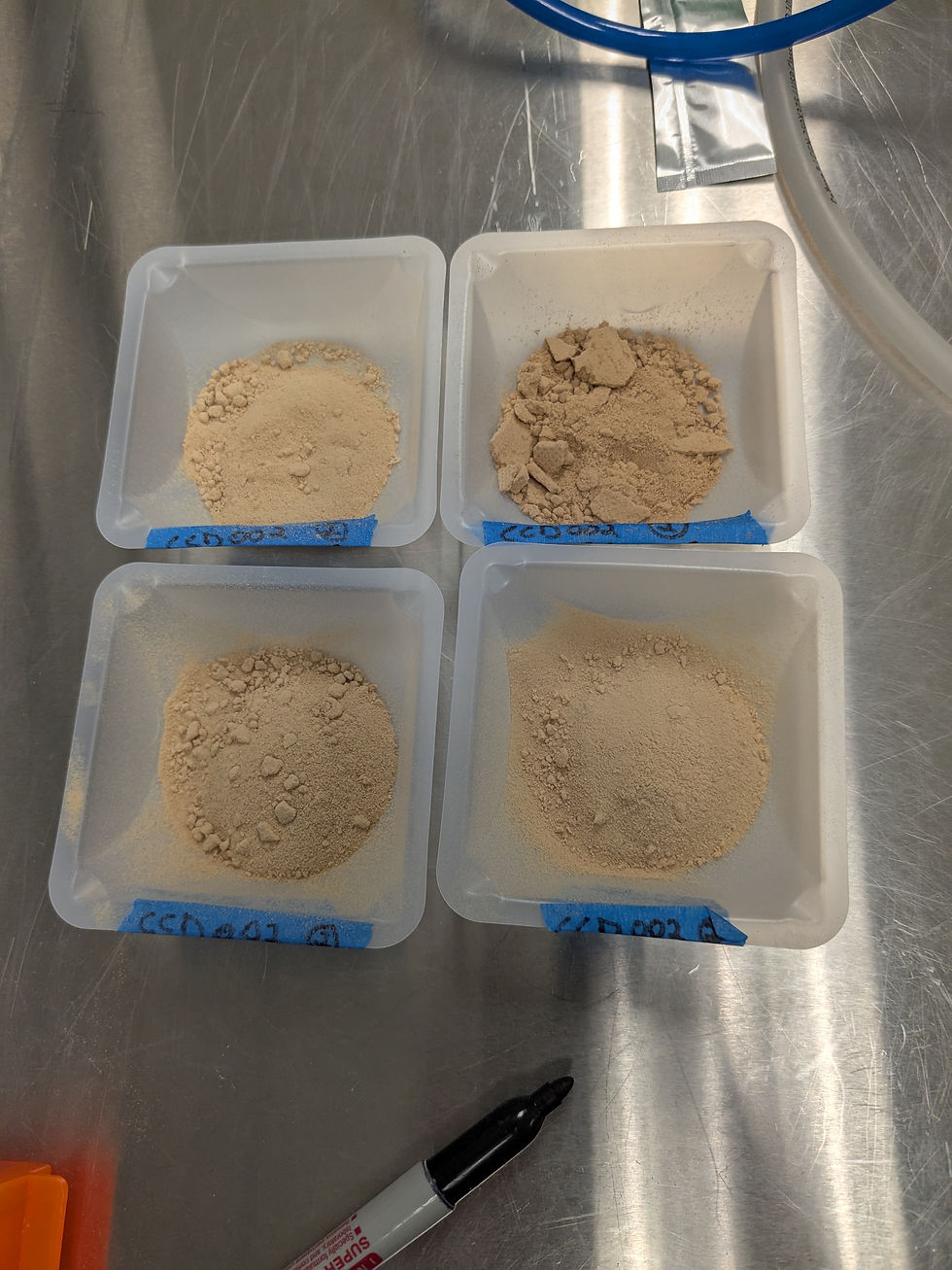
Furthermore, the initial ingredient California Cultured is preparing to commercialize differs fundamentally from conventional baking cocoa. Because the current pilot process bypasses traditional microbial fermentation and high-temperature roasting, the cells retain high concentrations of native anthocyanins and polyphenols, giving the dry powder a distinctive nutritional profile and taste. They are positioning this unfermented powder primarily as a functional ingredient for dietary supplements, protein formulations, and wellness applications. While the company notes that it could eventually ferment and roast its cultured powder to develop traditional chocolate flavor compounds for confectionery products, the candy bars showcased in viral videos contain no such ingredient today.

The Mars Research: Gene Editing, Not Bioreactors
The Mars-backed project falls into a different category: an agricultural effort to protect living cacao trees from disease. Since 2018, Mars Wrigley has funded academic research at the Innovative Genomics Institute—a partnership between UC Berkeley, UC San Francisco, and UC Davis. The research focuses on engineering Theobroma cacao trees to resist Cacao Swollen Shoot Virus Disease, a mealybug-transmitted pathogen that has devastated hundreds of thousands of hectares across West Africa. These engineered plants are designed to be planted in soil, grown into mature trees, pollinated, and harvested by farmers. Far from eliminating agriculture, the IGI program aims to protect field crops from crippling yield losses.
As UC Berkeley reported in 2025, one experimental approach involves introducing DNA encoding CRISPR-Cas machinery into cacao somatic tissue and regenerating whole saplings. The molecular machinery is programmed to recognize and cut the viral genome after infection. In other words, this approach targets the pathogen itself rather than altering a cacao gene to make the plant less susceptible to infection. Another line of research tests whether precise changes to the cacao tree’s own genes can make it less vulnerable to disease. The general label "CRISPR" encompasses multiple biotechnological mechanisms, some leaving transgenic vector sequences and others resulting in transgene-free targeted mutations.
Crucially, these experimental trees reside exclusively in biosafety-controlled academic greenhouses in Northern California. While mature specimens have reached over 12 feet in height and are slated for closed viral challenge trials at Mars facilities, not a single gene-edited cacao tree from this program has been released, field-tested, or commercially planted in Ghana, Côte d'Ivoire, or anywhere else. While other academic institutions globally, such as Penn State, have explored broader cacao biotechnology and field trials, the specific Berkeley IGI lines mentioned in viral media remain strictly contained in research facilities.
In August 2025, Mars expanded its research portfolio by licensing Pairwise's Fulcrum gene-editing platform specifically for cacao development. Social media claims that this deal signaled an unannounced expansion into genetically engineering staple food supplies misread standard commercial licensing agreements; Mars's separate academic work on peanuts, mint, and maize involves independent breeding initiatives.
Conflating Mars's field-preservation genetics with California Cultured's tank-based cellular agriculture fundamentally confuses the landscape. Cell culture attempts to decouple cacao production from land and traditional farming altogether. The IGI research attempts to preserve tree-crop agriculture against biological collapse. Treating them as identical manifestations of ‘synthetic food’ is a fundamental misunderstanding that distorts the real technical and economic issues at stake.
Where the Money Is Flowing: Corporate Investments as Supply Insurance
Meiji, Mondelēz, Cargill, Lindt & Sprüngli, and Puratos have invested in or partnered with startups developing cultured cacao ingredients. That activity demonstrates serious commercial interest. It does not mean cultured cacao is hiding in products on retail shelves.
California Cultured (United States): Meiji, Japan's largest confectionery conglomerate, invested in 2021 and expanded its backing in 2024 with a ten-year commercial agreement to purchase high-flavanol cocoa powder for targeted wellness products in the U.S. and Japanese markets. Puratos, through its venture arm Sparkalis, announced in February 2026 that it was developing a professional chocolate product containing cultured cacao for U.S. customers, with commercial availability targeted for late 2026, subject to the necessary regulatory and scaling steps. These initiatives represent targeted B2B ingredient supply, not the immediate replacement of "commodity cacao."
Celleste Bio (Israel): Celleste is focusing on cultured cocoa butter development, supported by Mondelēz International's venture arm, SnackFutures. While Mondelēz has produced small-scale prototype milk chocolate bars using cultured cocoa butter, these remain laboratory test batches rather than a commercial product line, and Celleste has not yet demonstrated industrial-scale production capacity.
Kokomodo (Israel): Kokomodo, majority-acquired in 2025 by biotechnology firm Pluri, develops cultivated cacao ingredients and has partnered with agribusiness giant Cargill to evaluate ingredient functionality in food formulations and assess production scalability.
Brewer (Switzerland): Food Brewer develops cellular agricultural ingredients with backing from Lindt & Sprüngli, Felchlin, and Puratos's Sparkalis. Swiss manufacturer Felchlin has conducted internal sensory and baking tests with Food Brewer's cultured cocoa powder prototypes.
Why are multinational confectionery leaders investing in early-stage biotechnology that cannot yet supply commercial volumes? In late 2024, after back-to-back harvest failures in West Africa caused by extreme weather and disease, ICE cocoa futures surged past $12,000 per metric ton. Sourcing raw materials from supply chains vulnerable to severe climate shocks, pest outbreaks, and political volatility in just two countries poses an existential threat to industrial manufacturers. For multinational buyers, backing cellular agriculture is strategic risk hedging. As Lang summarized the commercial appeal: "price consistency."
These corporate relationships explain why major brand names appear in biotechnology press coverage. They do not mean the chocolate bars on supermarket shelves contain cultured ingredients.
Determining whether a product actually contains cultured cacao requires examining its ingredients and regulatory approvals, not brand names in corporate venture portfolios.
The Economic Hurdle: From Pilot Bioreactor to Commodity Scale
Prior to speaking with Lang, capital expenditure seemed like an insurmountable barrier. Pharmaceutical-grade stainless steel bioreactors require millions of dollars in capital expenditure—a cost structure that no low-margin agricultural commodity could justify. California Cultured's strategy centers on modular, food-grade plastic cultivation vessels that cost a fraction of that capital.

In May 2026, UC Davis announced that California Cultured's cacao cells had been successfully cultivated in 1,600-liter bioreactors as part of a joint research initiative supported by the U.S. National Science Foundation and BioMADE. In our meeting, Lang told me that a single pilot bioreactor run yields about 25 kilograms of dry cocoa powder. By comparison, global agricultural cocoa production reached approximately 4.728 million metric tons in the 2024/25 season, according to the International Cocoa Organization.
Pilot yields of 25 kilograms demonstrate biological feasibility, but they also underscore the vast volumetric chasm between pilot tanks and global supply chains.
Commercial timelines have adjusted accordingly. When the Meiji agreement was announced in 2024, California Cultured aimed for market entry by late 2024. In March 2026, the company announced intended U.S. commercial availability later that year after confirming the ingredient as Generally Recognized as Safe under U.S. regulations and submitting its notification to the Food and Drug Administration. By May 2026, Lang projected starting commercial manufacturing in early 2027 to fulfill an initial purchase order from an undisclosed chocolate manufacturer.
The company's commercial roadmap reflects these economic realities: they are targeting high-margin nutraceutical and functional food markets rather than competing immediately against bulk cocoa powder.
An unfermented, high-flavanol powder marketed for wellness applications commands a substantial price premium that can absorb initial bioreactor operating costs. Standard cocoa powder for industrial baking, confectionery, and beverages operates on razor-thin margins and fierce cost competition.
Lang is candid about the long-term objective: the company is optimizing bioprocess parameters "so that in the future we can compete on the commodity cocoa powder market."
Reaching that milestone requires sustained, multi-thousand-liter batch runs, batch-to-batch nutritional and functional consistency, and production costs low enough to compete with bulk "regular" pricing after accounting for energy, carbon feedstocks, mineral media, and downstream processing. A successful pilot run does not guarantee commercial parity. In the near term, multinational manufacturers may incorporate cultured powders into specialized premium product lines while continuing to source virtually all of their volume from traditional channels. Displacing significant volumes of farm-grown cacao would require cell-cultured ingredients to reach massive scale, achieve stringent cost parity, and gain universal industrial adoption.
Which means mass-market confectionery has found an unlikely alibi: lab-grown cacao. A creator holds up a conventional Hershey’s candy bar, recoils at its glue-like appearance, and warns that this is what chocolate is becoming. BECOMING? That bar belongs to the confectionery people have been buying for generations. No cultured cacao is involved. The "influencer" presents an established industrial product as a frightening preview, allowing consumers to reject tomorrow what they have accepted and enjoyed for years!
“I stand for cocoa butter” makes the chronology even harder to swallow. Large-scale manufacturers were substituting cocoa butter with palm kernel oil and PGPR long before cultured cacao entered the discussion. California Cultured’s experimental chocolate uses conventional cocoa butter, while the company researches a cultured version.
Will it taste like chocolate?
"A sterile tank can't replicate real chocolate," content creators assert. But evaluating California Cultured's initial ingredient as an off-the-shelf chocolate bar misapprehends both what the company is producing today and what chocolate is supposed to taste like.
Consider the starting material and process. The company established its cell line from an unfermented Forastero cacao bean selected for its high polyphenol concentration. In the bioreactor, these cells multiply in liquid culture before being harvested, washed, dried, and milled. In their current primary process, the cellular biomass deliberately bypasses traditional fermentation and roasting in order to preserve native polyphenols and flavanols. The resulting dry powder has never undergone the biochemical transformations most people associate with "traditional chocolate flavor."

In post-harvest cacao processing, fermentation breaks down astringent polyphenols and hydrolyzes storage proteins into amino acids and short peptides, producing essential flavor precursors alongside reducing sugars. Subsequent roasting initiates complex Maillard reactions and Strecker degradations, synthesizing the pyrazines, aldehydes, and esters that impart characteristic chocolate aromas and rich brown pigmentation. Both fermentation and roasting significantly reduce native flavanol levels, though.
Retaining exceptionally high flavanol concentrations means accepting the raw seed tissue's inherent sensory traits: intense violet anthocyanins, sharp bitterness, and pronounced astringency.
Only niche brands produce unfermented, low-temperature-dried cocoa powders specifically for their flavanol density. Having tasted these specialty products myself, I can attest that they are challenging to consume in their pure form; producers typically recommend blending them into smoothies, protein shakes, or recipes with coconut oil and honey. That is precisely the functional market California Cultured is targeting first: a high-flavanol wellness ingredient, not a confectionery bar.
To enter broader confectionery markets in the future, the company's roadmap includes fermenting and roasting cultured cocoa powder to develop traditional chocolate flavor profiles, which it could then combine with a sweetener of choice and conventional or cultured cocoa butter. That would not be an artificial shortcut, but the "standard way" required to generate classic chocolate notes.
Furthermore, when online critics invoke the defense of "real chocolate," they are invariably defending industrial mass-market confectionery. Commercial chocolate and candy bars rely on high roasting, highly alkalized cocoa powder (Dutch processing), high refined sugar concentrations, dairy solids (milk fat, butterfat), artificial flavoring, and synthetic vanillin to establish a uniform, predictable profile and texture engineered for mass appeal. That standardized flavor bears little resemblance to the full aromatic spectrum of Theobroma cacao. Chocolate's true complexity comes from terroir, diverse genetics, post-harvest processing, and skilled chocolate-making (ideally, bean-to-bar).
Many who decry cultured cacao as an affront to "real chocolate" are defending a highly engineered industrial commodity, not real chocolate.

Is cell-cultured cacao more sustainable?
"Bioreactors still need water," the Hormone Specialist observes. Naturally they do. So does a cacao tree. The relevant question is how their total environmental burden compares with the land, water, energy, and emissions associated with conventional cocoa production.
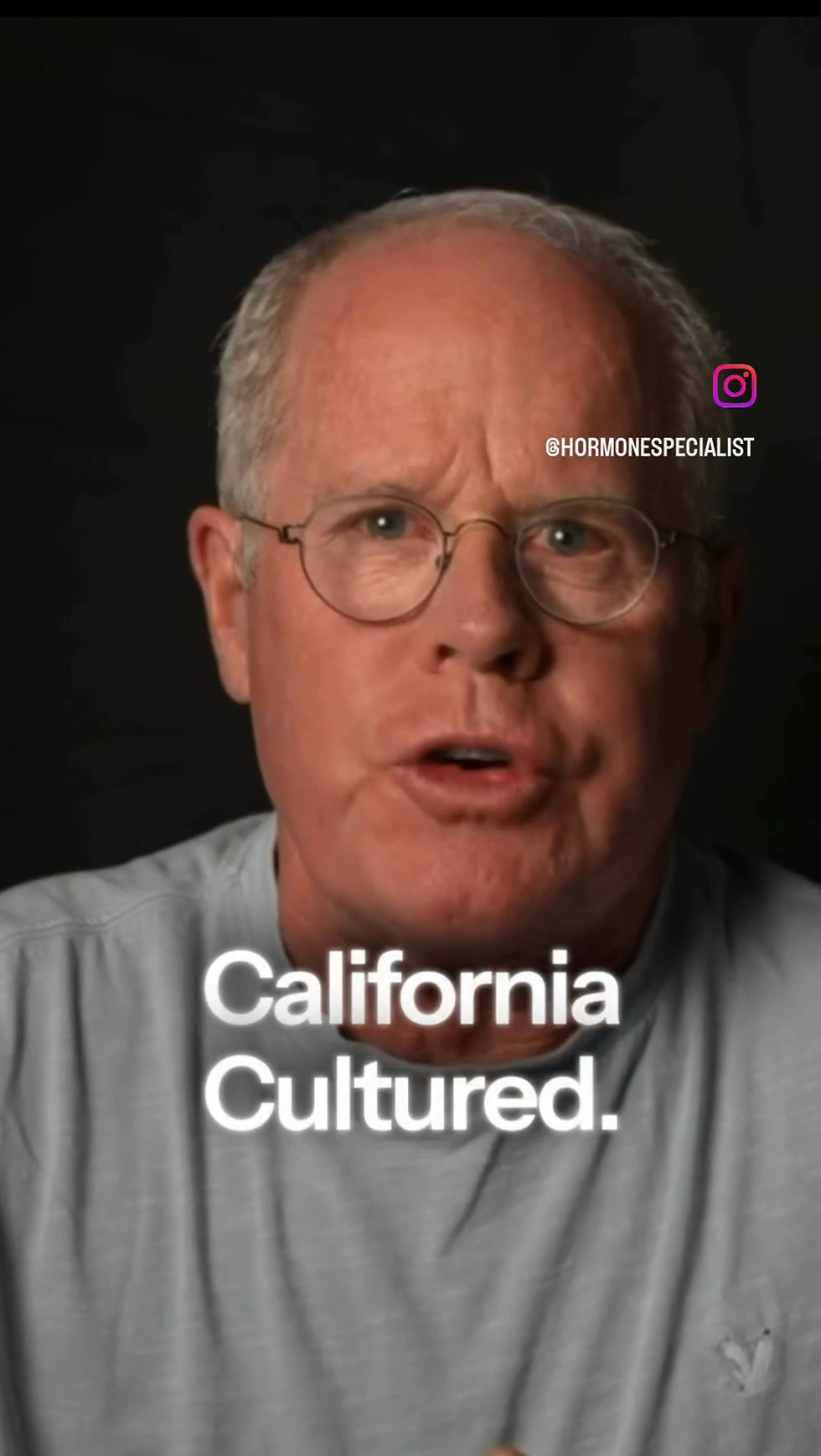
In principle, plant cell cultivation could be a production route less directly exposed to the uncertainties that affect conventional cacao farming, including drought, disease, seasonal crop failures, and variable harvest conditions. Bioreactor facilities can be located near consumer markets and manufacturing hubs, reducing long-haul maritime and freight emissions. However, closed cultivation systems introduce their own environmental demands: continuous electrical power, purified water, nutrient media (sugars, mineral salts, amino acids, vitamins), sterile air filtration, climate control, and downstream processing. The net ecological balance will depend on how those nutrient feedstocks are sourced, the energy mix powering the bioreactors, and the process's conversion efficiency.
California Cultured reports significant reductions in land use, water consumption, and greenhouse gas emissions based on its internal preliminary lifecycle modeling. However, independent, peer-reviewed lifecycle assessments of commercial-scale operations do not yet exist, because commercial-scale production has not yet been established.
The environmental balance remains an important question to be evaluated as production scales, rather than an open-and-shut indictment based simply on the fact that bioreactors require water and energy.
Any rigorous comparison must also weigh the heavy ecological footprint of conventional commodity cacao: tropical deforestation, biodiversity loss, soil depletion, and vulnerability to climate instability.
Will engineered cacao pollen reach West Africa?
"The pollen carrying the proprietary DNA will reach West Africa," the Hormone Specialist warns. This claim conflates distinct technologies and misapprehends basic plant biology. Experimental trees in California greenhouses cannot cross-pollinate West African farms across thousands of miles of ocean.
In plant cell culture, undifferentiated callus cells multiply in liquid suspension inside sealed stainless-steel or plastic tanks. They do not develop stems, foliage, or flowers, and produce zero pollen. Meanwhile, the Mars-funded research at the Innovative Genomics Institute at UC Berkeley involves gene-edited Theobroma cacao trees housed within contained research greenhouses in Northern California. In nature, cacao pollen relies entirely on tiny biting midges (Forcipomyia species), whose flight range is strictly localized to moist leaf-litter microhabitats and typically extends only tens of meters within shaded groves.
Transatlantic gene flow via insect pollination is biologically impossible!
For an engineered genetic trait from a California laboratory to enter West African cacao populations, physical saplings would have to be exported, cleared through customs, approved by national regulators, distributed to farmers, and cultivated for 3 to 5 years until flowering. Ghana does not permit unregulated biotechnology introductions. Under the 2023 genome-editing guidelines issued by Ghana's National Biosafety Authority, any gene-edited organism requires mandatory pre-submission consultations and a case-by-case regulatory determination, while organisms containing foreign genetic material remain strictly governed by the Biosafety Act 831, 2011.

Social media posts also erroneously assert that cacao is entirely self-incompatible. In reality, Theobroma cacao displays both self-compatible and self-incompatible genotypes. The Amelonado variety, which historically formed the backbone of West African cacao farming, and select Trinitario clones like ICS 1 are self-compatible, whereas lines such as IMC 60 require cross-pollination. While self-compatibility does not preclude cross-pollination when midges are present, characterizing the entire botanical species as dependent on outside pollen is false. Asking "Who gave Mars the right to edit every cacao tree on Earth?" turns localized, contained academic research into an apocalyptic scenario.
If engineered planting materials are ever submitted for commercial release in producing countries, gene flow, regulatory oversight, and farmer autonomy will warrant thorough scrutiny. But inventing fictional cross-oceanic pollination distracts from the genuine governance questions.
Could farmers lose ownership of their cacao trees?
Influencer commentary further alleges that West African farmers could forfeit legal ownership of their trees if patented genetic material inadvertently drifts onto their land, citing prominent North American patent disputes. This argument fundamentally distorts the legal precedents. The landmark lawsuits cited in these posts involved intentional propagation and commercial exploitation of patented traits, not the involuntary forfeiture of property following accidental cross-pollination.
In Bowman v. Monsanto Co. (2013), Indiana farmer Vernon Bowman did not face litigation over stray pollen. Bowman deliberately purchased commodity grain from a grain elevator—grain largely containing patented Roundup Ready soybean traits—planted it for a late-season crop, sprayed it with glyphosate herbicide to kill any non-resistant plants, and systematically saved the surviving patented seeds across eight successive planting cycles. The US Supreme Court held that the patent exhaustion doctrine did not grant a purchaser the right to reproduce the patented article through subsequent generations. Justice Elena Kagan stressed that the decision concerned a farmer who deliberately reproduced patented seeds. The Court did not decide how patent law would apply when patented material reaches a farm accidentally.
In Monsanto Canada Inc. v. Schmeiser (2004), the Supreme Court of Canada addressed the case of Percy Schmeiser, a Saskatchewan farmer who discovered Roundup-tolerant canola on his land. Crucially, the court's finding of patent infringement was based on Schmeiser's subsequent actions: he deliberately gathered the surviving seeds, had them treated, and replanted them across 1,000 acres, cultivating a crop consisting of 95% to 98% patented herbicide-resistant canola. Even then, the Canadian Supreme Court overturned the monetary damages awarded to Monsanto, ruling that Schmeiser owed no profits because he had never sprayed the field with Roundup and had derived no commercial advantage from the patented trait. The judgment did not transfer ownership of Schmeiser's land or crops to Monsanto, nor did it establish that pollen drift strips a farmer of their property.
A patent grants its holder the right to exclude others from commercially making, using, or selling a protected invention within the issuing jurisdiction.
Cacao trees planted on smallholder farms in Ghana or Côte d'Ivoire are governed by domestic property laws and national intellectual property frameworks, not extraterritorial US or Canadian patent rulings on annual row crops.
Legitimate questions about agricultural biotechnology concern licensing agreements, seed distribution monopolies, and preserving traditional farmer practices. Framing these issues as an immediate legal mechanism for multinational land seizures replaces rigorous policy analysis with legal fiction.
How much of Ghana's cacao is infected?
Social media claims that swollen shoot disease has infected "81% of Ghanaian cacao farms" conflate a regional hotspot with a nationwide total and confuse land area with farm counts.
The 81% figure derives from an International Cocoa Organization market review citing Ghana Cocoa Board's Cocoa Health and Extension Division. That assessment reported that in Western North—one of Ghana's primary cacao-growing regions—approximately 330,456 hectares of cacao land out of 410,229 were infected with Cacao Swollen Shoot Virus Disease. That represents roughly 80.5% of cacao land in a single administrative region, not 81% of all farms nationwide.
The national data, which viral posts omitted, describes a serious but distinctly different reality. According to COCOBOD's 2023 nationwide mapping survey, approximately 31% of Ghana's total cacao land was infected with swollen shoot disease, up from 17% in 2017. While substantially lower than 81%, a near-doubling of infected acreage across six years represents an acute agronomic emergency. Spread by pseudococcid mealybugs, the virus progressively reduces yields and kills trees within several seasons. Because there is no chemical cure, containment requires cutting down infected trees, establishing buffer zones, and rehabilitating the soil—a process that imposes devastating financial strain on smallholders dependent on annual harvests. This systemic vulnerability explains why industry and researchers are investing heavily in disease-resistant genetics and alternative biomanufacturing platforms. But exaggerating regional data into a nationwide catastrophe distorts the challenge's scope.
Is the scientist worried about his own research?
Online commentators cite UC Berkeley plant pathologist Brian Staskawicz to suggest that researchers are alarmed by their own creations. In a university profile of the Mars-backed cacao initiative, Staskawicz remarked: "We don't want to make the same mistakes as GMOs. There was a lot of public backlash and fear of Frankenfood."
Reading this statement as an admission of biological danger misconstrues its meaning. Staskawicz was addressing the early biotechnology sector's historical public relations failures, where poor communication, lack of transparency, and corporate defensiveness fostered consumer distrust. His concern was public perception and regulatory friction, not an admission that gene-edited trees are hazardous.
Furthermore, invoking the 1990s "Frankenfood" trope also against California Cultured conflates two entirely different technological approaches. The startup's bioreactor process propagates plant cell lines derived from natural cacao tissue without genetic modification. Laboratory equipment does not equate to transgenic modification.

Artificial knowledge
Examine these narratives sequentially and a consistent architecture of misinformation emerges:
An unfermented raw cocoa powder is portrayed as an artificial candy bar already secretly stocked in grocery aisles.
A contained academic greenhouse in California is described as an airborne threat to African forests.
An 81% infection rate across farms in one Ghanaian region is inflated into the imminent collapse of all farms nationwide.
Two decades-old North American court cases concerning herbicide-resistant row crops are converted into an immediate precedent for the corporate seizure of cacao trees.
A scientist's caution about public relations is reframed as a confession of technological peril.
None of these assertions requires an understanding of agronomy, biochemistry, or international trade. They require only the algorithmic incentive to reproduce fear-inducing claims. On social media platforms that reward outrage, sensationalized content circulates rapidly while measured context is ignored. The result is a consumer audience convinced it is taking a principled stand for authentic food and vulnerable farmers, while merely amplifying unchecked falsehoods.
To cut through this manufactured anxiety, we need to look inside—how the cells are cultivated, what the materials taste like, how the company approaches scale and safety, and where its commercial ambitions lie.
The interview: Steven Lang, Vice President, California Cultured
1. When you say "cell-cultured cacao," what are you actually producing? Is it still cacao, or are you recreating cacao from other ingredients?
We are producing real cacao without growing the plant. Our cells are derived from Theobroma cacao L. seeds (cacao beans), expanded in controlled bioreactor culture, and dried into a powder. The resulting material is compositionally comparable to conventional low-fat cocoa powder and is intended to function as a full or partial replacement in the same food applications. The primary difference from conventional cocoa powder is the production method, which relies on plant cell cultivation rather than agricultural growth and bean processing. Our cocoa powder is not genetically modified and is genetically identical to the cacao pod it came from, so we produce it only from natural cacao cells. Importantly, our cocoa powder is healthier and safer than conventional low-fat cacao because it contains high levels of flavanols, which drive the health benefits of eating dark chocolate, and negligible levels of heavy metals found in conventional cocoa, e.g., lead and cadmium.
2. Where does the original cacao come into the process? What do you take from the cacao plant, and what happens to it from that point until you have a finished cacao ingredient?
At a high level, the process consists of isolating cacao cells, expanding them in sterile liquid culture, harvesting the biomass, and drying and milling the material into a fine powder. The finished product contains the same major constituents as traditional cocoa, including carbohydrates, protein, lipids, and cocoa polyphenols such as flavanols. Our process started several years ago when we took a biopsy (or explant) from a Theobroma cacao L. bean as the starting material to generate a stable, high-quality cacao cell line. The starting material for our cacao cell line came from Forastero cultivar trees grown at a USDA Research Station. The Forastero cultivar has a higher flavanol content in its seeds than other cultivars. We induced cacao bean explants to form callus. Callus formation is associated with plant wound healing but can be used in vitro to sustain the growth of de-differentiated cells. We identified a callus culture that is stable over time, grows well in liquid culture, contains macronutrients similar to those in conventional cocoa powder, and produces high levels of flavanols.
3. Once you have those cacao cells, how do you turn them into enough material to produce cocoa-derived ingredients?
As with all cell culture processes, we rely on cell proliferation to increase cell mass and number. We have optimized our growth environment to enable exponential growth. Through exponential growth, we can produce significant amounts of cocoa powder in a short period, rather than waiting years for field plants to mature and fruit.
4. Do you need new cacao pods or beans every time you produce a new batch, or can the cells you already have continue to generate new material?
No, we have established processes to ensure cell line stability over many years. We maintain our cells on media plates and start new batches from fresh callus cells. This ensures the quality and safety of our cocoa powder.
5. If conventional cocoa production requires a certain amount of cacao beans to produce 1 kg of cocoa powder, what does that relationship look like with your process? How much original material do you need to produce 1 kg?
This is a tough question. In theory, we only need a few milligrams of callus cells to produce an infinite amount of cocoa powder. Right now, we produce 25 kg of cocoa powder from a single bioreactor run (batch), starting with an inoculum generated from a single callus cell.
6. Are you able to produce more cocoa powder from less natural raw material, or is the advantage somewhere else entirely?
Yes, we can produce more cocoa powder from fewer natural resources based on Lifecycle analyses of our processes. Our processes use less land and water than conventional cocoa production. The GHG emissions reductions are specifically attributed to reduced land and water use, agricultural transport, and cultivation techniques such as fertilizer use.
7. If you eventually produce at mass-market scale, does increasing production require increasing the amount of cacao you source from farms, or can you scale production without increasing cacao bean sourcing at the same rate?
We do not rely on cacao from farms to produce at mass-market scale. We established our cell line several years ago from a single cacao pod and do not need to return to a pod for future production. With proper treatment, our callus cells will grow indefinitely.
8. If you can scale without needing proportionally more cacao from farms, what does that mean in terms of land use and intensive cacao production?
Our innovation means we can meet growing demand for cocoa products with less land and water. Conventional cacao agriculture relies on resource extraction, such as cutting down rainforests to make cacao farms, child labor, and low profits for farmers. We offer consumers an alternative without intensive resource extraction and subsistence farming. We will still need to intensify conventional cacao agriculture to meet the growing demand for cocoa, but we hope our cultured alternative will relieve some of that pressure from equatorial countries.
Importantly, our cell-cultured production is independent of the equatorial climate that is essential to traditional cacao farming. This means that we can produce cocoa from anywhere in the world. We can co-locatize our production plants next to chocolatiers and food manufacturers to reduce transport costs and create biomanufacturing jobs.
9. Could this realistically reduce the industry's dependence on the large-scale commodity cacao system, particularly in regions where low farm incomes, labor issues, and environmental pressure remain major problems? Or is that not the problem California Cultured is trying to solve?
Yes, we will reduce the world's dependence on large-scale commodity cacao systems. Our technology will have minimal impact on traditional cacao production at the start, since we will produce only at pilot scale. As we improve our processes and scale, we will increase market share, but this will take a long time since the chocolate market is so large and demand is increasing.
10. Why is the mass-market chocolate industry interested in this innovation? What does California Cultured offer a large manufacturer that the conventional cocoa production system cannot?
Cultured cocoa offers food manufacturers and consumers safety and price consistency.
Chocolatiers have been plagued by safety concerns from the heavy metal content found in agriculturally grown cacao. Cacao accumulates heavy metals from the soil into the cacao bean, leading to concerning levels of lead and cadmium in the product. In our case, we control the raw materials entering the process and produce cocoa with zero to negligible heavy metals. Similarly, we have demonstrated negligible antinutrients or methylxanthines, e.g., oxalic acid and theobromine. Cocoa prices have experienced historic volatility, surging to $12,000/metric ton in 2024 before plunging and sharply rebounding in 2026 due to extreme weather, crop disease, farmers abandoning farming for illegal gold mining, tariffs, and deforestation regulations. Ingredient price volatility squeezes food manufacturers' margins, which they pass on to consumers through higher prices or lower cacao content. For example, Halloween candy prices remain near record highs due to recent cocoa market volatility.
11. If we talk about cacao production cost optimization — including water usage at the farm — what can your innovation potentially affect? Less cacao? Less land? Less child labor? Shorter production time? Fewer processing steps? Transportation? Or a combination of these?
Eventually, we see our technology impacting all of those things. We want cocoa production to be free of deforestation, child labor, and subsistence farming. Our technology uses less land and water, shortens production times, reduces processing steps because we grow only what we need, and enables co-location with food manufacturers.
12. You produce both cocoa powder and cocoa butter. How do you obtain each of them from the cultured cacao? At what point does the process separate into these two products?
I have described only our high-flavanol, low-fat cocoa powder product and processes above. Our cocoa butter is still in R&D and relies on cell-culture processes that aren't commercially scalable yet. We are working on it. So, making chocolate from our cocoa powder still requires traditional cocoa butter. First, we can add our cultured cocoa powder directly to foods, such as protein shakes, for consumers looking for the health benefits of flavanols. Second, we can ferment and roast our cultured cocoa powder to develop chocolate flavors and produce chocolate products by combining it with sugar and cocoa butter. But fermentation and roasting reduce flavanol content.
13. How would you describe the differences between your cocoa powder and cocoa butter and their conventional counterparts?
Our cultured cocoa powder is highly similar to traditional cocoa powder in composition (macronutrients, fatty acid profile, and types of polyphenolic compounds) and function.
We have not done similar extensive analytical characterization of our cultured cocoa butter, so we cannot comment here.
14. Why can you retain more flavanols than in conventional cocoa processing?
Our cell line was derived from a Forastero cultivar known to have higher flavanol content in its seeds than other cultivars. Rather than growing plants in the soil, we take cells from the cacao bean and grow only the part of the plant required for cocoa powder. Importantly, the way we grow the cells creates numerous benefits: higher safety with fewer heavy metals, consistent production to control price fluctuations, more sustainable with less land and water use, and modular production that can be established close to chocolatiers to reduce transportation costs and create biomanufacturing jobs anywhere on the globe independent of climate and season.
15. There is obviously a trade-off between preserving flavanols and developing flavor. How are you balancing that?
We are going to market with a premium product (high-flavanol cocoa powder) for health-forward products. We are improving biomanufacturing to reduce cost of goods sold so we can compete in the commodity cocoa powder market in the future.
16. Why did California Cultured decide that cacao needed a different production system in the first place?
Our co-founders saw the challenges facing cacao farmers, e.g., climate change, disease, and regulations, and saw plant cell culture as a solution to supplement traditional farming to meet the increasing demand for chocolate.
17. Is your goal to replace conventional cacao production, or specifically to provide an alternative for the enormous volume of cocoa required by the commodity and mass-market sector?
The cocoa market is so immense that we will only supplement conventional cacao production. Of course we would like to take a larger market share, but there will always be cacao agriculture.
18. Where do you see traditionally grown cacao still making sense, and where do you think cell-cultured cacao makes more sense?
As with any premium market, cultured cocoa will focus on consumers with specific needs, like health benefits or price stability. As we reach price parity through process optimization and scaling, consumers will choose between cultured and conventional cocoa since our product functions as a direct replacement.
19. What is the biggest thing people are getting wrong about what you actually do? Do you think the expression "lab-grown cacao" itself contributes to that misunderstanding?
I worry plant cell culture products will be over-identified with cultured meat, which has significant consumer pushback. We need to explain our technology so people understand the safety and real advantages of plant cell culture products.
20. What is the difference between what California Cultured does, cocoa-free products, and projects that use gene editing on cacao plants?
Cocoa-free products (cocoa extenders) require extensive processing and food science to develop cocoa flavors, which pushes these products into the ultra-processed foods debate. Certain consumers will raise concerns about highly processed foods and genetically modified products. Since cultured cocoa is genetically, compositionally, and functionally similar to conventional cocoa, we can point to a long history of safe human consumption of cocoa products and numerous randomized double-blind, placebo-controlled human trials and meta-analyses that demonstrate the safety of cocoa and cocoa flavanols. Cocoa-free and gene-edited products cannot rely on such a strong body of knowledge to assure consumers of safety.
21. If California Cultured succeeds at the scale you are targeting, what would you actually like to see changed in the cocoa industry?
I would like to see:
Fairer compensation for small cacao farmers
Less deforestation and soil depletion
Stable pricing to buffer food manufacturers
Reductions in child labor.
What Are We Protecting?
Read Lang’s answers closely, and the long-term target becomes unmistakable. California Cultured is not trying to compete with micro-batch chocolate makers and fine-flavor cacao farmers. The innovation's ultimate commercial horizon—assuming it solves the formidable engineering challenges of scale, cost, and downstream processing—is bulk commodity cocoa that relies on an unequal sourcing system: beans move from smallholders through village collectors, regional traders, exporters, industrial grinders, and multinational manufacturers, with harvests from countless small farms aggregated and blended into interchangeable volume. At the base of this chain, farmers have no visibility into downstream markets and minimal bargaining power, while the overwhelming share of economic value is generated and captured far downstream through processing, product formulation, branding, and retail distribution. This model effectively externalizes poverty, labor exploitation, and environmental degradation onto producing regions, insulated from the final consumer. While corporate traceability programs, certifications, and single-origin lines do exist, they remain marketing claims within a dominant bulk trade organized around cheap, uniform inputs. That material is blended and manufactured into confections whose finished packaging reveals almost nothing about the producers or the supply chain realities behind them.
At this stage, plant cell culture is industrial standardization taken to its logical conclusion: agricultural volume detached from rainfall, acreage, and geopolitical supply corridors. If scaled, its true competitor is the bulk commodity cacao that flows overwhelmingly from West Africa, a region that, along with neighboring African producers, accounted for roughly 70% of global supply in the 2023/24 season, according to International Cocoa Organization data.
If cell-cultured production achieves commercial volume and price parity, multinational confectioners will have an alternative to farm-grown bulk cacao-derived ingredients. For national economies tethered to raw bean exports, that shift would erode foreign exchange revenues. For millions of smallholder households, it could mean lost cash income. That is the standard objection to biotechnology, and it is understandable. But my argument is that protecting farming communities cannot mean insisting that their permanent dependence on an extractive commodity market represents the best future available to them.
Look honestly at what that dependence has delivered over the past quarter-century.
In 2001, under intense public scrutiny, the global chocolate industry signed the Harkin-Engel Protocol, committing to eliminate the “worst forms of child labor” in West African cocoa production. When initial targets lapsed unmet, a 2010 joint framework set a revised goal: a 70% reduction across Côte d’Ivoire and Ghana by 2020.
That target was missed by an enormous margin. A comprehensive 2018/19 survey conducted by NORC at the University of Chicago and funded by the U.S. Department of Labor estimated that 1.56 million children were still engaged in child labor in cocoa agricultural households across Côte d’Ivoire and Ghana, with roughly 1.48 million performing hazardous tasks—handling machetes, clearing heavy brush, carrying burdensome loads, and facing exposure to agrochemicals. Those figures do not reflect an absence of industry pledges; they measure what persisted after twenty years of voluntary corporate sustainability programs.
Producing countries have repeatedly attempted to correct these imbalances from within the market. In 2019, Côte d’Ivoire and Ghana leveraged their combined supply power to introduce the Living Income Differential, a mandatory $400-per-tonne premium intended to establish a farmgate price floor. Yet empirical research by CIRAD, the French agricultural research center, revealed how the global market counteracted the policy: international commercial buyers largely neutralized the LID by discounting the origin differentials they were willing to pay for West African beans. The cash premium operated within a futures and trading architecture that sovereign producers could influence, but could not control.
The ecological toll has been just as severe. According to the United Nations Environment Programme, Côte d’Ivoire has lost approximately 90% of its forest cover over the past sixty years, including roughly five million hectares between 1990 and 2020. Cocoa is one major driver of this loss, alongside other cash crops; a 2023 satellite-mapping study published in Nature Food found that cocoa production was associated with more than 37% of forest loss in Côte d’Ivoire’s protected areas and more than 13% in Ghana’s between 2000 and 2020.
Furthermore, between the 2022/23 and 2023/24 crop seasons, Côte d’Ivoire’s harvest dropped from 2.24 million metric tons to 1.67 million, while Ghana’s collapsed from 654,000 metric tons to 530,000. In a single year, the two nations’ combined share of world output contracted from roughly 57% to 49%.
Decades of continuous monocropping, aging tree stock, endemic swollen shoot virus, and erratic rainfall fueled by Atlantic climate shifts have destabilized yields. Agronomic training and corporate seedling giveaways cannot "save" monocultures from escalating ecological exhaustion.
So what future are we defending when we insist that West African smallholders must remain the indispensable foundation of industrial candy? Their vital role in global supply has never translated into fair bargaining power, stable household prosperity, or protection from environmental degradation. Urging smallholders to farm more intensively within an asymmetric supply chain leaves the fundamental economic question unanswered: who captures the value generated by that labor?
Twenty-five years of corporate protocols, certification badges, and ethical marketing campaigns have left the commodity market's core dynamics unchanged, if not worse. True sovereign autonomy—producing nations processing, manufacturing, and marketing their own finished goods while capturing domestic value-add—remains difficult to realize when multinational conglomerates control downstream branding, distribution networks, and global commodity exchanges.
After Cacao: The Real Transition
Consider where cell-culture cacao leads if it reaches commercial maturity. If bioreactor facilities can produce cultured cacao at commercial scale and price parity, industrial buyers could secure standardized cocoa powder through alternative production methods, reducing their overall dependence on bulk crop supply.
Lang is careful to moderate expectations, emphasizing that California Cultured views its product as a supplement to conventional agriculture and stating that “there will always be cacao agriculture.”
Today, with California Cultured reporting pilot yields of roughly 25 kilograms per batch, participating in joint research on 1,600-liter bioreactor systems, and targeting commercial shipments for early 2027, the technology remains in early development. But the strategic trajectory is clear: cellular agriculture's long-term objective is to decouple commodity ingredients from raw acreage.
If the technology eventually reaches the scale needed to displace a meaningful share of bulk supply, the resulting transition would carry profound risks.
Industrial buyers can reconfigure supply chains far faster than farming households can establish alternative livelihoods.
Without substantial transition capital, agricultural diversification policies, and public investment in rural infrastructure, the smallholders who have borne the costs of the commodity system could easily be left to absorb the economic shock of its contraction.
If that shift eventually occurs, farming communities will need to anticipate and manage its effects. But preparing for that possibility is not an argument for preserving an exploitative status quo.
What replaces monoculture cacao—and who retains sovereignty over that production—will determine the economic outcome. Côte d’Ivoire’s recent crop diversification demonstrates both the possibilities and the pitfalls of this route. Over the past decade, the country expanded its raw cashew nut production, becoming the world’s leading exporter with annual harvests reaching toward 1.5 million metric tons. Yet the structural trap persists. According to government data, in 2023 Côte d’Ivoire processed only about 21% of its cashew harvest domestically; the remaining four-fifths were exported as raw, unshelled nuts to be processed, packaged, and monetized in Asia and the West. Replacing raw cocoa beans with raw cashews merely transfers commodity vulnerability from one crop to another. The decisive question for producing countries is not which crop they plant, but how much processing, manufacturing, and commercial equity they retain within their own borders.
By offering an alternative pathway for industrial volume, cellular agriculture challenges the economic imperative that has organized West African land around supplying low-cost raw materials to northern buyers. Biotechnology alone cannot guarantee sovereign economic development. But remaining trapped as a low-margin bulk supplier has consistently failed to deliver it.
Under this scenario, cacao farming could "recede" from its role as an anonymous bulk commodity and focus on what bioreactors cannot compete with: distinctive genetic cultivars, expressive terroir, complex post-harvest processes, and biodiverse agroforestry systems.
Cacao farming could shift from maximizing low-value bulk volume to producing high-value specialty crops—where skilled post-harvest craft commands genuine market premiums.
What Chocolate Are Consumers Defending?
People who have never questioned how chocolate is made are suddenly judging cell-cultured cacao. They know little about the standardized products they defend and little about the technology they condemn. The willingness to form an opinion blindly keeps exceeding the willingness to investigate.
This superficial approach to chocolate is passed down, reinforced by advertising, and rarely challenged. Whatever people grew up eating becomes what chocolate is supposed to be. That's where the objection to “lab-grown chocolate” becomes particularly ironic. Globally, the idea of chocolate is manufactured. Millions of people's expectations of its flavor, texture, and quality have been shaped by the companies whose assortments dominate the shelves. Even the idea of “better chocolate” arrives commercially packaged: organic certification, coconut sugar, a higher cacao percentage, added protein, alternative sweeteners. Consumers are taught to look for an upgraded claim on the wrapper. So people reject cell-cultured cacao in defense of an idea of chocolate built through industrial formulation and decades of marketing.
Yet the moment food scientists propose cultivating actual Theobroma cacao cells in a controlled vessel, public reaction pivots to defending chocolate’s sacred “natural purity.”
California Cultured’s product is derived directly from cacao tissue; its powder is harvested from genuine cacao cells grown in an aqueous nutrient bath rather than conventionally processed. The novelty is the cultivation medium, not the botanical material. While that distinction does not resolve every question regarding energy balance, cost parity, or sensory profile, it exposes the confusion behind the “lab-grown” panic.
Online discourse operates through immediate, unexamined reflexes. A viral video warns that lab-made chocolate is an artificial monstrosity, and viewers react with instinctive disgust. A commercial brand stamps an ethical seal on its packaging, and consumers celebrate the sudden arrival of “ethical chocolate,” treating child labor as an issue that can be solved entirely at the checkout aisle. In both instances, public reaction responds to aesthetics rather than structural realities.
The performative outrage dissipates at the supermarket register. Millions of consumers who share alarmist commentary about this project continue to buy inexpensive mass-market candy bars made by a global supply chain whose reliance on bulk cacao has coexisted with low farmers' incomes, hazardous child labor, and tropical deforestation for generations. The harsh realities of the existing agricultural system are passively accepted; any technological alternative that might disrupt that system is condemned.
If bioreactors can eventually shoulder the burden of supplying anonymous cocoa-derived ingredients for large-scale confections, producing nations will have greater leeway to expand for food security, diversified agroforestry, and domestic value addition. Smallholder dependence on volatile commodity markets is the fundamental problem that agricultural policy should seek to resolve. Demanding them to remain locked in that dependence—under the guise of defending authentic chocolate—denies an economic path forward.
True solidarity with cacao-growing communities means wanting producers to have options beyond supplying cheap raw materials to global conglomerates. If your defense of “real chocolate” cannot make room for that autonomy, I need to ask you what you are actually defending.
California Cultured Photo Credits: Gracie Malley.
References
University of California, Davis. “Could Cultured Chocolate Unlock the Next Food Revolution?” May 11, 2026.
Rodríguez López, C. M., et al. “Progressive Erosion of Genetic and Epigenetic Variation in Callus-Derived Cocoa Plants.” New Phytologist 186 (2010): 856–868.
Innovative Genomics Institute. “New Project to Create Disease-Resistant Cacao.” January 3, 2018.
UC Berkeley, Rausser College of Natural Resources. “(Not) The End of Chocolate.” April 29, 2025.
Guiltinan, M. J., et al. “Reduced Susceptibility to Phytophthora in Non-Transgenic Cacao Progeny.” Plant Biotechnology Journal 24 (2026): 442–454.
Pairwise. “Mars and Pairwise Collaborate to Accelerate Cacao Research and Development.” August 6, 2025.
Puratos. “Puratos to Launch First Professional Chocolate Product with Cultured Cocoa.” February 24, 2026.
AgFunderNews. “Food Brewer Nets Funding from Lindt and Sparkalis for Cocoa Grown via Plant Cell Culture.” February 20, 2025.
EIT Food. “Kokomodo and Cargill Partner Through EIT Food.” February 17, 2026.
Celleste Bio. “Celleste Bio Unveils World’s First Milk Chocolate Bars Made with Cell-Cultured Cocoa Butter.” April 15, 2026.
International Cocoa Organization. Quarterly Bulletin of Cocoa Statistics: February and August 2026.
International Cocoa Organization. Production of Cocoa Beans, Vol. L, No. 4. November 2024.
International Cocoa Organization. Cocoa Market Report: June 2024.
U.S. Food and Drug Administration. “How U.S. FDA’s GRAS Notification Program Works.”
Kobayashi, Y., et al. “Life Cycle Assessment of Plant Cell Cultures.” Science of the Total Environment 808 (2022): 151990.
Chumacero de Schawe, C., et al. “Gene Flow and Genetic Diversity in Cultivated and Wild Cacao.” American Journal of Botany 100 (2013): 2271–2279.
Ghana National Biosafety Authority. Guidelines for Genome Editing Applications in Ghana. October 30, 2023.
Republic of Ghana. Plant Variety Protection Act, 2020 (Act 1050).
Bowman v. Monsanto Co., 569 U.S. 278 (2013).
Monsanto Canada Inc. v. Schmeiser, 2004 SCC 34, [2004] 1 S.C.R. 902.
Ghana Cocoa Board. “Achievements in the Cocoa Sector: COCOBOD CE Projects a Promising Future.” October 16, 2024.
Reuters. “Cocoa Swollen Shoot Disease Worsening in Ghana, Poses Long-Term Threat.” August 8, 2024.
NORC at the University of Chicago. Assessing Progress in Reducing Child Labor in Cocoa Production in Cocoa Growing Areas of Côte d’Ivoire and Ghana. 2020.
U.S. Department of Labor. Framework of Action to Support Implementation of the Harkin–Engel Protocol. 2010.
Ruf, F. “Covid-19, Différentiel de revenu décent et baisse des revenus des producteurs de cacao en Côte d’Ivoire.” Cahiers Agricultures 31 (2022): Article 25.
Gilbert, C. L. “Cocoa: Origin Differentials and the Living Income Differential.” European Journal of Development Research 36 (2024): 777–802.
Kalischek, N., et al. “Cocoa Plantations Are Associated with Deforestation in Côte d’Ivoire and Ghana.” Nature Food 4 (2023): 384–393.
FIRCA. “Filière Anacarde.”



Comments